
These I Have Loved
a few good things from the week

At dinner last night, the conversation ranged from that day’s flag football game (and whether the celebratory gritty dance on the field was gloating or just rejoicing) to the youngest wishing it could be Valentine’s Day forever (a sure sign that his candy stash has dwindled) to the fifteen-year-old reflecting on an older gentleman who had paid for three state troopers’ meals at Culver’s. We were all intrigued by the idea of a stranger paying for other people’s meal simply because they were in uniform.
“How did he do it? Did he talk to them first or just pay their bill and leave? Did he go introduce himself or just give them a nod across the room?”
The older gentleman had told the Culver’s employee (my son) that he wanted to pay for the troopers and then went up to them before sitting down with his own food. All the brothers around our dinner table were intrigued by the description of the state troopers clanking with gear. Our son said it seemed like handcuffs and asps and badges and guns were covering every part of their uniformed persons from their starched hats to their shiny boots.
“The older gentleman told me that he wanted to pay for their meal, and after he paid, he went over and shook each of their hands.”
“Was he with anyone? Was he dining alone? Did he look like he had once been in law enforcement himself?” I queried, trying to ascertain what motivated the act.
Our fifteen-year-old laughed at all the questions.
“I couldn't tell if the older gentleman was former law enforcement; he just seemed really happy to do it. I was trying to get a good look at the troopers and wondering if it was uncomfortable to sit down with all those handcuffs hanging off you. The troopers all looked really serious, but they smiled when the old man shook their hands.”
As the in-house optimist, I took the matter very much to heart. “See! There are still good people in the world! My faith in humanity is being restored, one Culver’s customer at a time!”
I keep thinking about that gentleman and his selfless act. He didn’t know that the Culver’s employees were watching, or that they were going to go home and tell their families, or that they were learning about what it means to be a member of the human race by seeing how he treated his fellow man. So, if you are reading, I salute you, Culver’s customer. Thank you for teaching my son what respect looks like in the mundane moments of life. Thank you for putting another tally mark in the optimists’ column.
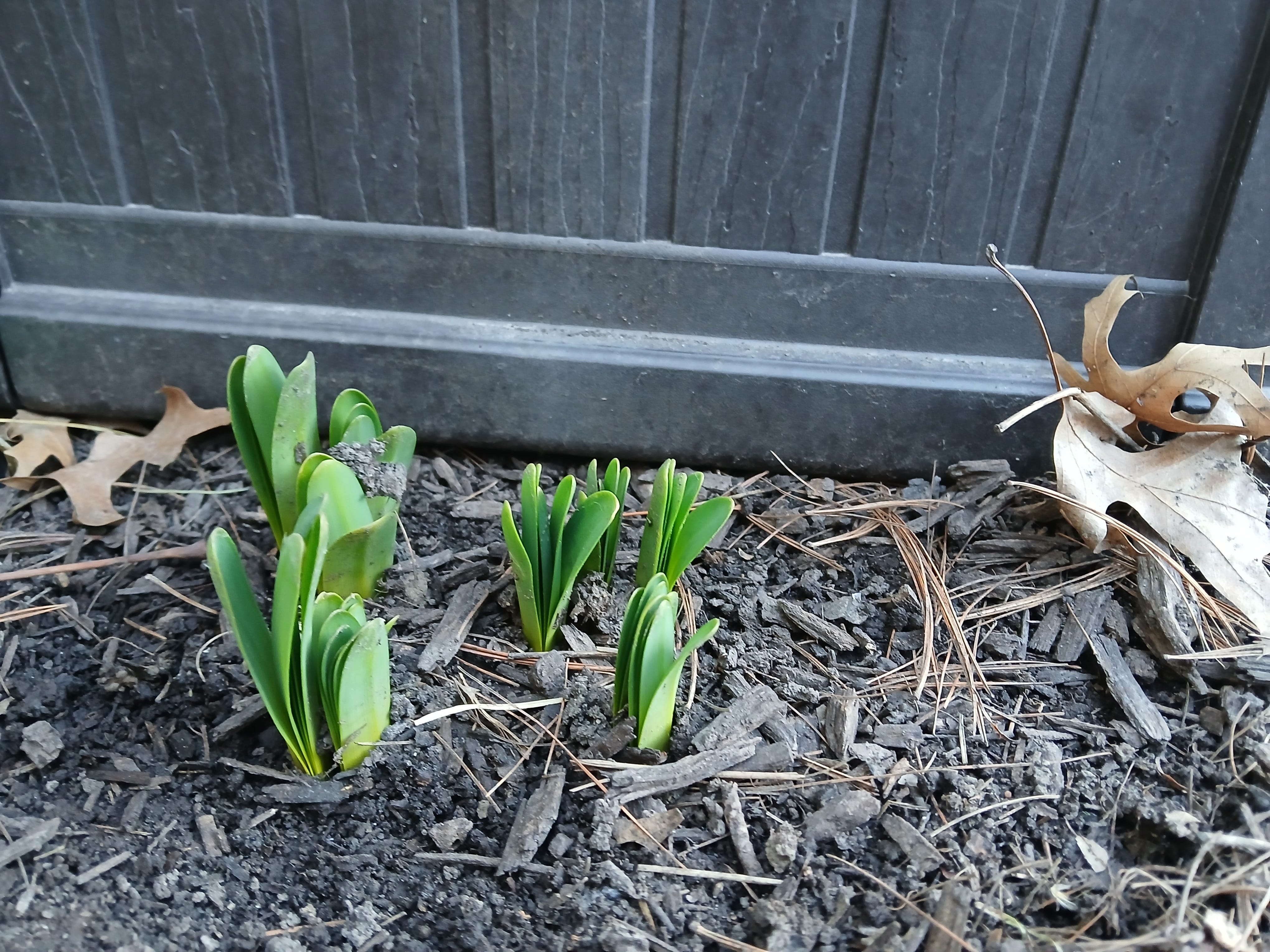
Thinking about moments I loved from this week reminded me of the first poem I ever tried to memorize: Rupert Brooke’s anthologized excerpt from “The Great Lover.” The collection of images with their attention to sensory detail, natural rhythms and alliterative adjectives transported me. The thrill of it was not like reading Chronicles of Narnia or getting lost in The Hobbit. This was not the transport of fantasy or narrative excitement. Brooke’s poem made the mundane moments of life seem latent with power, imbued with a beauty that was invisible to everyone but the poet. His words were like the spell in a fairy tale, when the beggar casts off her rags and becomes a beautiful enchantress. I started looking at humble and homely objects differently, looking for the beauty hidden in their everyday, ordinary existence. Poetry became my teacher in paying attention. Paying attention might be the first ingredient in gratitude. Here’s to finding and savoring a beautiful moment in your normal life: may you find it in a fast-food restaurant or in emerging flowers or in “the cool kindliness of sheets, that soon / smooth away trouble.”
from "The Great Lover"
by Rupert Brooke

These I have loved:
		White plates and cups, clean-gleaming,
Ringed with blue lines; and feathery, faery dust;
Wet roofs, beneath the lamp-light; the strong crust
Of friendly bread; and many-tasting food;
Rainbows; and the blue bitter smoke of wood;
And radiant raindrops couching in cool flowers;
And flowers themselves, that sway through sunny hours,
Dreaming of moths that drink them under the moon;
Then, the cool kindliness of sheets, that soon
Smooth away trouble; and the rough male kiss
Of blankets; grainy wood; live hair that is
Shining and free; blue-massing clouds; the keen
Unpassioned beauty of a great machine;
The benison of hot water; furs to touch;
The good smell of old clothes; and other such—
The comfortable smell of friendly fingers,
Hair's fragrance, and the musty reek that lingers
About dead leaves and last year's ferns. . . .
					                  Dear names,
And thousand other throng to me! Royal flames;
Sweet water's dimpling laugh from tap or spring;
Holes in the ground; and voices that do sing;
Voices in laughter, too; and body's pain,
Soon turned to peace; and the deep-panting train;
Firm sands; the little dulling edge of foam
That browns and dwindles as the wave goes home;
And washen stones, gay for an hour; the cold
Graveness of iron; moist black earthen mould;
Sleep; and high places; footprints in the dew;
And oaks; and brown horse-chestnuts, glossy-new;
And new-peeled sticks; and shining pools on grass;—
All these have been my loves.