
Odysseus, No Longer
poem

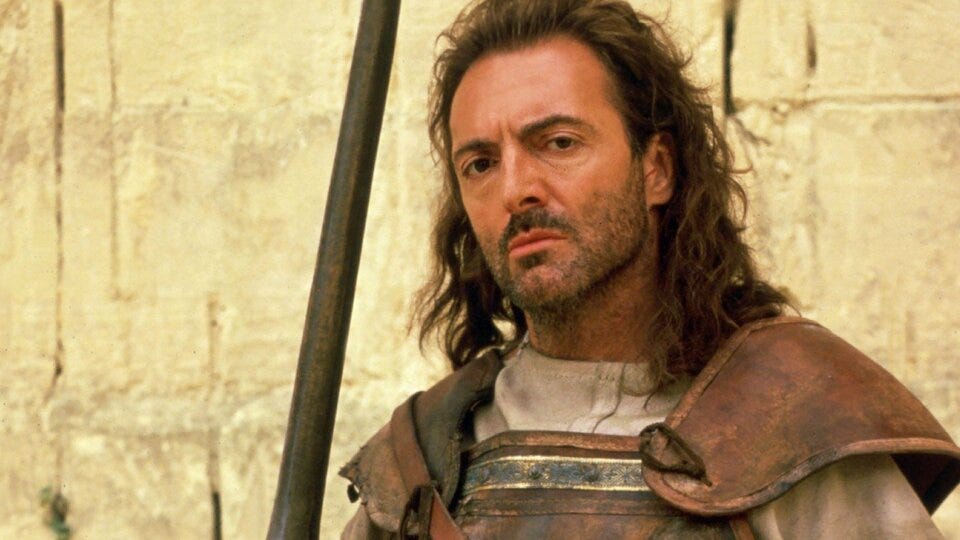
Odysseus, No Longer
by Abigail Knutson
Odysseus, no longer do I find
your glittering rhetoric persuasive.
I’ve learned my mind. In the twenty years since
visiting your pages, I’ve felled monsters
of my own: pink eye, ear infections, bed
rest, febrile seizures, hemorrhage, crawling out
from cave-like bedrooms on my hands and knees
desperate for sleep. (I’d tie myself to sheep
if I thought it would help.) Sirens sang us
awake when we lived near a firehouse. Ears
filled with wax (more wax than seems possible)
gave nobody sleeping a slight defense
when engines screaming cast their bouncing lights
on dark streets, wakened answering wails within
our walls. It’s your treatment of the serving
girls within your halls which strikes a pagan
logic I can’t hold. Why are you compelled
to kill them after they’ve piled dead suitors
out of doors? Couldn’t you have let them flee?
These twenty years have changed me. All women
are daughters. Parents, huddled off the page,
now wait for news, bereft of lives they raised.
Left with cold comfort of your ordered house,
Telemachus says sluts and whores—he’d know
better than most, but why show them as doves
or thrushes beating their spread wings against
some snare rigged up in thickets so my heart
beats rage and sorrow for their lives winged
away so needlessly? Odysseus,
no longer can I find you just the same
for I’ve been changed now mother is my name.
Composition Notes
I reread The Odyssey for the first time since college and found it more thrilling than I had remembered. The huge cast of characters, witty dialogue, gorgeous language, and purposeful repetitions pulled me along. How had I been bored by this? My annotations are hilarious. I complain about how long-winded all the characters are, underline good vocab words, and generally struggle to follow the plot. It gave me compassion for my students to see how hard I had to work just to get through the language. It also reminded me of the importance of annotations, even if simply to record questions in the margins.
A little over two decades since my first read, I pulled it out again in preparation for watching the new movie. When I closed the book this time, I was struck by how sad I felt over the deaths of the serving women. It felt so gratuitous. Especially as the narrator lingered over the description of how when they come into the court like birds, they are “flying in for a cozy nest but a grisly bed receives them.”1 This is not Old Testament vengeance but a pagan logic divorced from any concept of justice I can understand. I looked for clues in my college annotations that I had grappled with this slaughter, but it seems I viewed these women as side characters, easily dispensible. Something about motherhood has changed my vision, has imbued each person with the significance of a central character in the lives of their parents. I cannot unsee those women, however faithless, however foolish, as daughters.
I knew I wanted to write that poem, but I wasn’t sure how to do it. Last night at soccer practice, I was reading “The Second Slaughter” by Lucia Perillo, which begins with a description of Achilles slaying “the man who slew his friend” and ends with a dirge for the birds destroyed when the oil wells burned in Persia. The juxtaposition of the Iliad with the burning oil wells allows her to memorialize the slaughter of innocent animals with a lament that feels epic. I took out my pen and jotted down lines addressed to Odysseus in the white space left on the page, curious what would emerge if I let myself grieve for the serving women. It surprised me that I ended up contrasting my own twenty-year quest since last reading The Odyssey with Odysseus’s own journey. Motherhood is its own epic, and it is perhaps impossible for me to not reread every quest in light of my own journey.
Have you read The Odyssey in preparation for Nolan’s film? What stood out to you? I always love hearing from you in the comments. Thank you for being the best readers on Substack.
Love, Abigail
Homer, The Odyssey trans. Robert Fagles (Penguin Books, 1996) 453.
Your twenty year contrast is really beautiful to me in showing the way motherhood changes us. I recently reread old journals, pre-children, and I laughed at how small my heart seemed to be. I was also young! But I hadn’t realized how much my own experience of motherhood, and walking it alongside so many other women with stories of their own including infertility, expanded my heart. I could use much more!
I read 2/3 of The Odyssey in winter, need to finish. (Along with War and Peace, it’s on an audiobook hold for me right now, Substack has revealed my lack of fortitude in reading haha.)
Anyway, I did laugh at tying yourself to sheep. Thanks so much for giving these things to ponder.
I cannot get over this poem. It is just so good. The rhythm pulls me forward, almost stumbling to keep up. My new favorite.